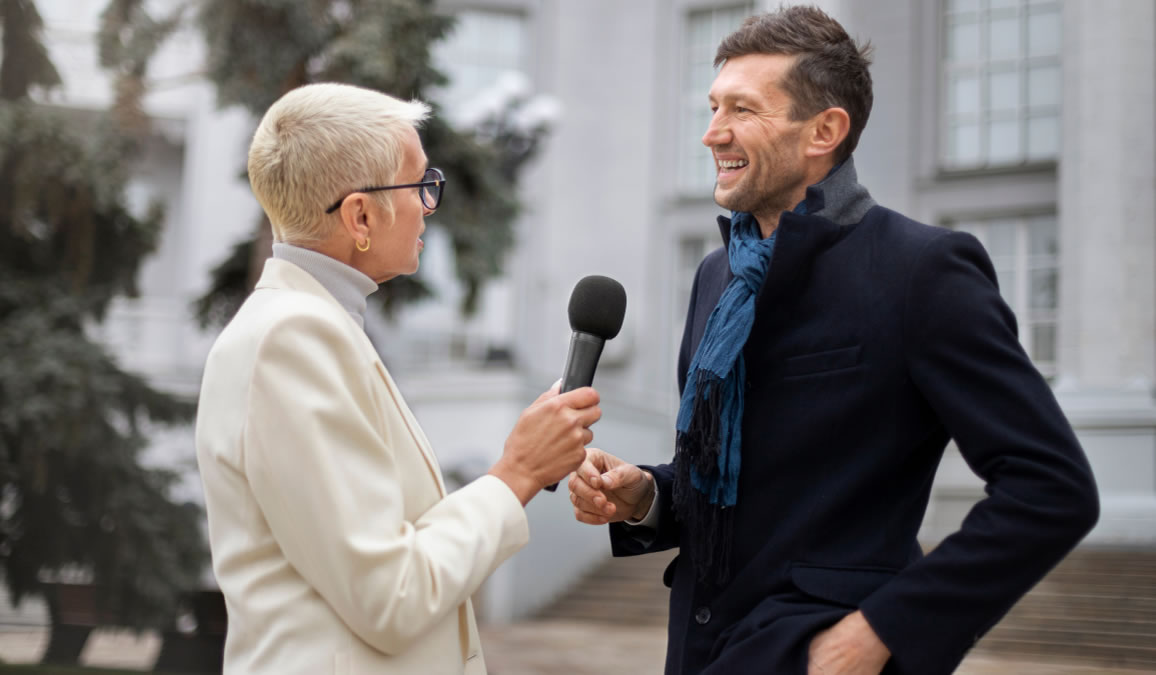
What is media training? Who is media training for? Why is media training important? If these questions are on your mind you’re in the right place. This in-depth media training guide walks you through all aspects of media training so you can know what to expect and get motivated for your own media training.
Simply put, media training is a type of communications training that helps media-facing individuals anticipate reporter or interviewer behavior, avoid common trap questions, focus on their important message, and always look good when it matters most.
Who needs media training? Anyone who could possibly find themselves being interviewed by the media should invest in media training. In the past, this included a small number of people because the number of interviewers was few. Today, the term media goes far beyond legacy news media.
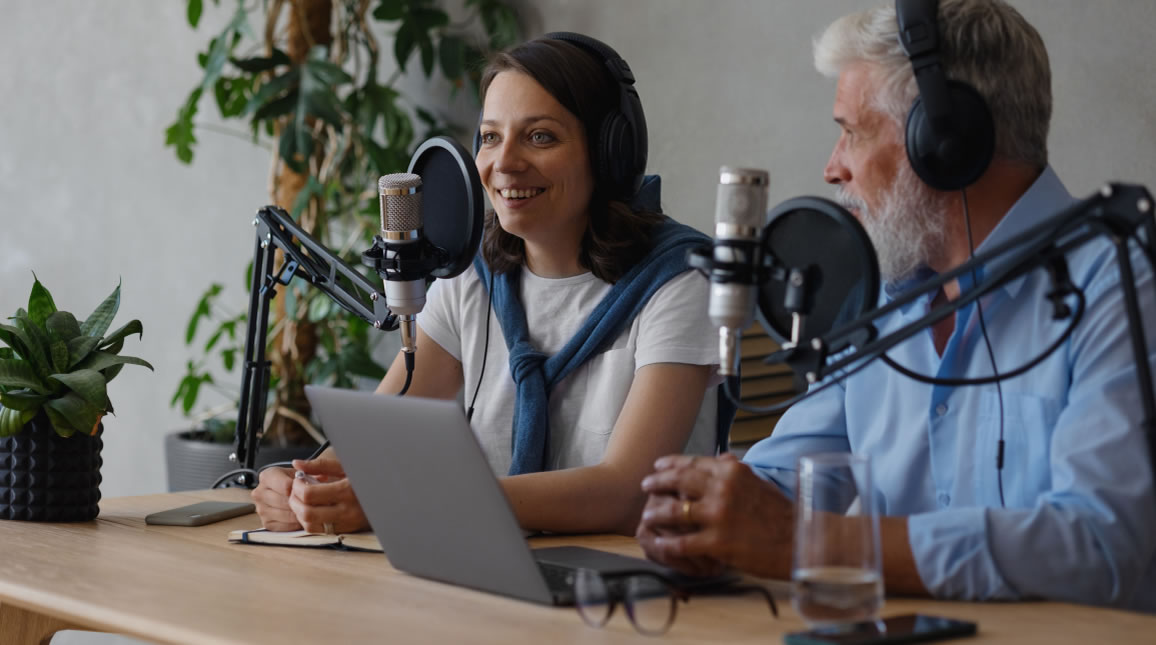
Now anyone who has a YouTube channel or podcast can interview a person and post the conversation for the entire world to see.
Media training is important for anyone that gets interviewed by a national media outlet, a local news reporter, podcaster, or YouTube channel. Many podcasts and YouTube channels get more views than national media outlets.
Here’s what you’ll learn in this comprehensive media training guide.
What’s Included in Media Training?
Biggest Media Interview Mistakes
How Do I Prepare for Media Interviews?
What to Do During a Media Interview
How Do You Get Media Trained?
Why is Media Training So Important?
It’s almost impossible to not participate with the media today in one form or another. This is especially true for small companies and large enterprises.
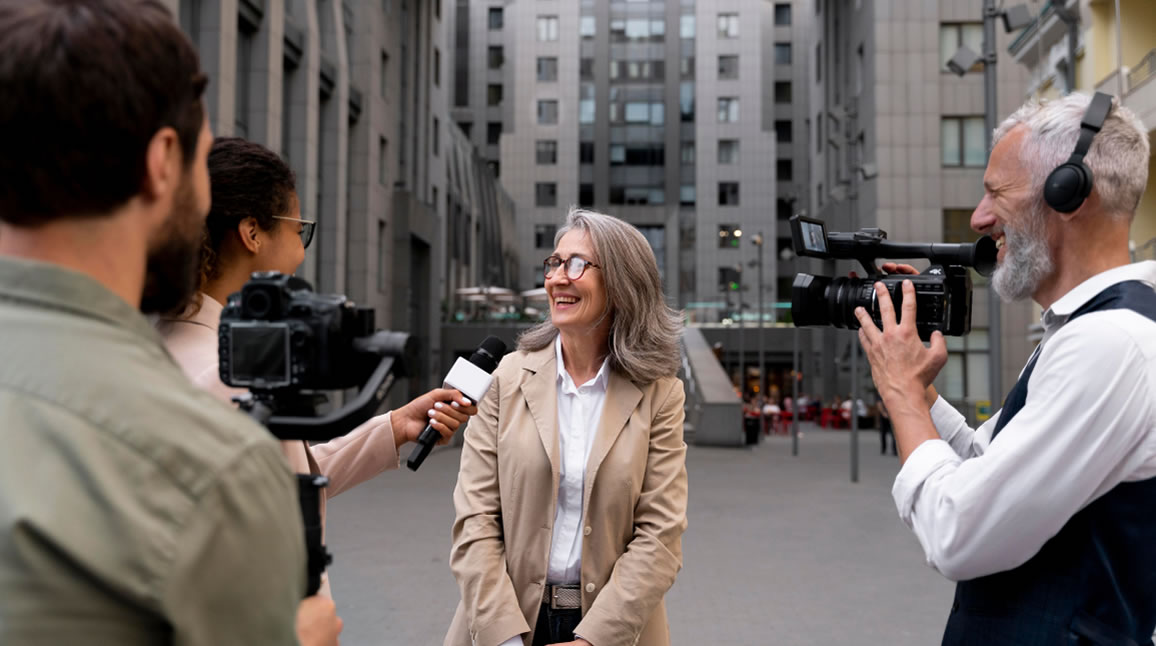
There is almost always a crossover between marketing and media. Good marketing almost always involves public interaction with the media and reporters. Because those interactions are usually so short, it’s critical to make every second count.
Look Like a Pro
Media training teaches you how to use your own words, tone, and body language to deliver your message in an impactful way. When you’re speaking on screen, viewers are not only listening to your words, but they’re looking at your body and facial expressions. When you develop your media skills you can make the most out of your public speaking time because you’ll be thinking less about how you look and more about your company and business message.
Speak with Precision
Defining your key message and understanding how to get it across in a media format is part of your media training. Your key messages should be concise and focused on benefits.
The length of the interview will determine how many key messages you can cover, but generally the fewer the better. Having clarity on your messaging frees you to stay in control during the media interview.
Have Prepared Responses to Trap Questions
Sometimes most journalists frame questions in a way that makes you look bad. They do this for a number of reasons, but whatever the motivation is, media training tips can prepare you for these “surprise” moments and difficult questions.
Before you go into interview opportunities your training will prepare you to know what possible tough questions may come your way and how to navigate them when they do.
You can’t know all the questions before the interview, but you can have a response plan in place that ensures no matter how unpleasant the question you’ll handle it like a pro.
Take Control of the Interview
Even though the typical format is the interviewer asks the question and you answer, the reality is you are in control.
Media training shows you how to have this mindset and teaches you specific techniques to execute it at the moment. Your responses can enable you to answer most difficult questions that satisfy the interviewer but also get your main message across. This is one of many subtle skills learned through media training and practice.
Reduce Chances of Misquotes
One of the media’s favorite tactics is to edit interviews and take quotes out of context. It’s really hard to avoid, but the way you talk and phrase your concise answers can make it much more difficult to get misquoted by reporters.
BE AN EFFECTIVE COMMUNICATORSuasive Presentation Coaching
Our ProgramWhat’s Included in Media Training?
What’s included in your media training depends on where you’re getting it, but the best media training will give you all the tools you need to be your best on all media platforms.
Be Prepared to Get Vulnerable
The first thing you need to be prepared for in your media training is brutal honesty. A good media trainer is paid to identify what you’re doing wrong and help you fix it.
For example, you might have a habit of saying “um” and “like” a lot or using confusing jargon when answering questions. Maybe you have a nervous laugh or tick.
Learning about how you present yourself means you have to be okay with getting vulnerable. That’s what change is all about. The good news is you’re not alone, and it’s individuals that allow themself to go to uncomfortable places that get what they want in life.
Crafting the Perfect Message
Your media trainer will coach you on how to craft an effective message. Your message will be succinct, show clear benefits to your live audience, be supported by proof points, and it will be memorable.
Good messaging both spoken during an interview and written keeps the focus on the audience. You’ll learn to replace “we” with “you” and show that your business or organization is empathetic.
Fill Your Interview Toolbox
The more tools you have at your disposal the better you can navigate. Media training will give you a number of tools to use at the moment when you need them.
Practice Makes Perfect
Expect a lot of practice during your media training. Going through multiple rounds of preparation is the only way to get comfortable. You’ll experience a number of mock interviews that simulate different environments.
Your mock interview will be recorded on video and you’ll watch the footage with your trainer to see what you’re doing well and where you need to improve.
How to tell your story so the audience feels it’s their story.
Our MethodologyBiggest Media Interview Mistakes
Knowing what not to do during an interview is a critical part of preparing for effective media interviews. An effective media training session teaches you key points and key talking points to focus on and how to avoid these common public speaking mistakes.
Waffling
When you waffle you’re talking without purpose. It’s very common to waffle when you’re nervous or unprepared. To avoid waffling, jot down your key points and make sure you know them. You can’t be reading off a notecard on camera but you can be familiar with most important points. When you get nervous or off track, bring the conversation back to one of your key points.
Why So Serious?
Interviews shouldn’t be overly serious unless you’re talking about a serious topic. The more fun you’re having the more relaxed you’ll look and feel. When you’re relaxed you’ll remember your message better and the audience will be more engaged with what you’re saying. A little sense of humor goes a long way.
Create Audience Advocacy
Your interview is a personal conversation, not an advertisement. A big mistake interviewees make is talking about their business or organization too much. The interviewer and the audience are not interested in advertisements. Good media training will teach you how to talk about what you do in a way that doesn’t sound so egocentric. Tell your story through the eyes of the audience.
Being Unprepared
If you’re unprepared everyone will know. It not only shows up in what you’re saying but more so in your body language. You’ll look nervous and worse, disingenuous.
Even though you’re not lying, not being prepared signals to the audience that you’re not to be trusted. You need to be prepared not only for the subject at hand, but other curveballs the interviewer may throw your way.
Not Answering the Question
This one is tricky. Sometimes you may purposely not want to answer the question because it’s a trap question. It’s okay not to answer as long as you give your rationale for why. For example, “Our company has a confidentiality policy that prevents me from answering that question.” As another example, “We have a company policy that restricts the release of information on that topic.”
Not Tailoring your Answers to the Format
Depending on the format you’ll need to have the length of answers. If you’re on a one-minute segment your answer will need to be laser-focused and precise.
Every word counts. If you’re doing a long-format interview you’ll need to be prepared to be answering questions and sound interesting. You may need to have some stories prepared that you can talk about to fill the time.
COMMUNICATION
WITH PURPOSE
How Do I Prepare for Media Interviews?
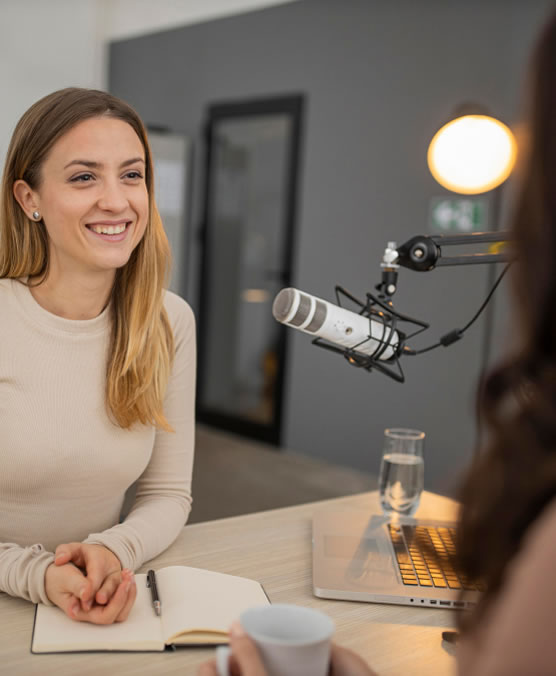
A bad interview can cause serious damage to your reputation, so saying yes to the right interview and being prepared when it’s time is critical. Here are some media training tips for your interview preparation.
What’s the Interview Angle?
Before agreeing to an interview, do some research about the publication, outlet, or channel that’s conducting the interview. Have they demonstrated a particular viewpoint or position on issues that are relevant to your message? What has the recent media coverage been like?
Some interviews, especially regular features, take a specific format, so make sure you understand the format in advance.
Do your research on the individual that will be conducting the interview. Look at interviews they’ve done in the past. Are they combative or looking for open dialogue? Understanding the style of the person interviewing you and the format will help you prepare for success and avoid a potential media relations disaster.
Ask Questions Before the Interview
If the interview platform seems like a good opportunity to get your message out, try to speak to the interviewer beforehand and ask them to send you some questions in advance to be better prepared as an effective spokesperson.
The questions will likely be worded differently during the interview, but getting a sense of the topic beforehand can help you prepare and go into the conversation feeling relaxed.
Equally important is thinking of all the questions you would hate to be asked. The difficult and challenging questions make your heart rate increase. It’s not fun, but part of being prepared is being prepared for the worst.
Consider the Audience
When preparing for an interview there are two audiences to consider: the outlet conducting the interview, and the audience you’re trying to reach. Ideally, there will be enough crossover between the two to make the interview a good fit. You can cater your strategy to fit with the media outlet’s audience, but you shouldn’t stray too far from your own.
If the outlet has demonstrated polar opposite viewpoints to your message, they may just be looking for a combative interview, and you’ll need to consider if that will serve your mission in any beneficial way. Sometimes facing opposing views helps, if you have the space and time to address opposition.
Rehearse so Your Answers Don’t Sound Scripted
You always want to sound genuine, authentic, and at the moment during an interview. Politicians are rightly criticized for sounding like they give scripted sound-bites rather than natural answers.
Rehearsing allows you to answer questions in various ways so when the time comes you can answer in a way that fits the feel of the interview rather than looking like you’re thinking or just recalling something you practiced dozens of times. Strive to stay focused.
Prepared to Be Challenged
Even if you think you know the topic and anticipate questions before the interview you still may get some challenging questions. There are no guarantees and once the camera is rolling or video is streaming all bets are off.
Have a plan in place to deal with answering questions you don’t want to address. If you’re not ready it will show and can result in an instant blow to your credibility. Not answering a tough question is okay, if you handle it like a pro. Even when people know you’re avoiding it, you can get away with it if you look like you’re in control.
Expect the Unexpected
In the world of online video streaming and conducting interviews from home, there are more chances for things to go wrong. If you do enough interviews something will go wrong.
Whether it be an unexpected guest like a young child or family pet, or a noisy neighbor there are variables outside of your control that can rattle you in an interview. The best way to handle the unexpected is by acknowledging it with humor and humility.
ONE METHODOLOGY,
MULTIPLE APPLICATIONS
What to Do During a Media Interview
Preparing for the interview is key, but once you’re in the interview you’ll be using a different set of tools you learned during your training. Here are some valuable tips to keep in mind during the actual interview.
Be Ready to Answer
Reporters expect quick and honest responses. It’s okay to not have an answer for every question, however, avoid responding with “No comment.” When you respond with “no comment” it makes it look like you’re hiding something. Try responding with “I don’t know, that’s not my area of expertise” or “Let me see what I can find out and get back with you.”
Speak in Sound Bites
If you’re in a short format interview try your best to provide short, but complete answers. This means answer first and explain second. Make your main point, and move on to the next question. If the reporter wants a further explanation, they will ask.
Incorporating the subject of the reporter’s question into your response helps keep your response in context and satisfies the reporter’s need for a sound bite and allows them to move on.
Know Your Audience
In most cases, if you’re speaking to a news reporter they’ll have a layman’s audience and your language should be tailored to that. Avoid speaking jargon that confuses.
If you are speaking to a technical trade journal about a specific issue it’s okay to be more technical. The main goal is being aware of your audience and begin speaking to their level of understanding.
Be a Good Listener
Pay full attention to the interviewer and his or her questions. Use their name as that builds a rapport. Never hesitate to ask the reporter to repeat or clarify a question. Active listening is a critical skill to have during media interviews.
Body Language
Just as important as what you say is what you don’t say. We do much of our communicating through our bodies. Use subtle hand gestures, facial expressions, and body movements to emphasize your key messages. Use eye contact to look at the reporter during the interview, not the camera. Always act as if there is no camera in the room.
How Do You Get Media Trained?
Like most types of training, you can get media-trained by companies that offer media communication training. Media training companies primarily work with executives, spokesperson, and subject matter experts. However, media training tips can benefit anyone who interacts with the media.
A good media training provider will teach a number of impactful media skills such as how to:
- Tell a compelling story
- Cite data in a compelling manner
- Identify and speak to your target audience
- Spot and avoid interviewer traps
- Manage combative questioning
- Get back on track with your talking points after an off-topic question
- Craft and tell a compelling story
While some people are naturally captivating communicators they are a minority. Most people you see and admire have had professional training.
They’re constantly refining and reinforcing their key messages through training, practice, and preparation.
A professional trainer teaches you how to:
- Use the best practices for all forms of media, including a live television interview, phone interviews, radio interviews, online interviews, and live streams
- Identify and prepare for potential interview questions, especially tough questions
- Field question that you don’t expect during simulated practice sessions
- Tailor your techniques to your style and content
- Reduce fear and anxiety before and during an interview
A good media trainer gives you the full toolkit you need to get the job done, the feedback to use those tools most effectively, and the practice and training to use them with confidence in all media formats.
Suasive, Inc. is a Silicon Valley-based communication consulting company that offers media training tips for organizations and individuals. To date, we’ve coached over 600 CEOs and helped individuals in some of the country’s biggest companies including Netflix, eBay, Sonos, Lyft, and Freshworks.